


A Detailed Guide to Handling Cigar Beetles Calmly
A Cigar Beetle Infestation: How to Respond with Grace
For cigar lovers, the cigar is not just a symbol of a refined life — it is a statement of delicacy and discernment. The appearance of cigar beetles, however, is an uninvited guest in this tranquility: at best they mar the appearance and value of a cigar; at worst they destroy an entire collection. Facing this challenge, this guide walks through identifying cigar beetles, analyzing the causes, emergency treatment steps, and long-term prevention strategies — helping fellow aficionados protect their treasures and return to the path of elegant enjoyment.
1. The True Face of the Cigar Beetle: Know Your Enemy
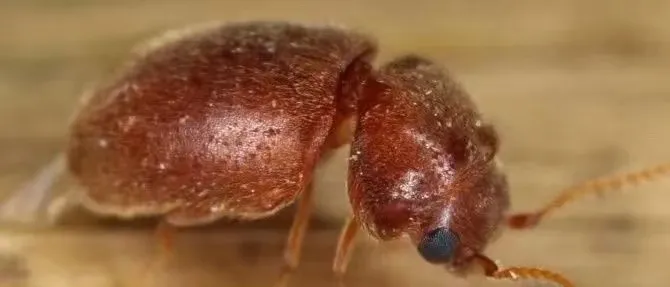
2. Signs of Invasion: Early Detection, Early Treatment
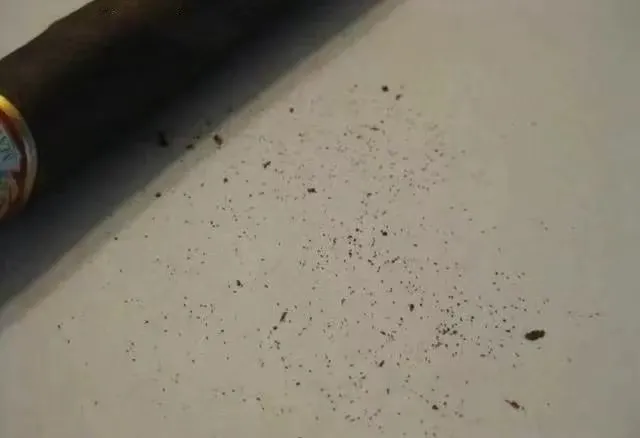
Fine dust traces. A pale-yellow powder may appear around the cigars or at the bottom of the drawer — the beetles’ excrement after digesting the tobacco fibers.
Moving beetles. Directly sighting live cigar beetles, whether crawling on a cigar’s surface or hiding in the cracks, is the clearest alarm signal of all.
3. Emergency Response: Isolate and Eradicate

Freeze treatment. Put the infected cigars in a sealed plastic bag, then into a household freezer, holding a temperature of around −18°C for 48 hours. The ultra-low temperature is enough to kill every life stage of the cigar beetle — eggs, larvae, and adults.
Air drying. For lightly infected cigars, air them in a cool indoor spot for a while; natural drying inhibits beetle growth — but this method has limited effect and should not be relied on alone.
Professional insecticide. Insecticides designed specifically for cigars are available. Read the instructions carefully before use and follow them precisely, so that chemical residue does not affect the cigars’ quality.
4. Long-Term Prevention: Building a Strong Defense

Regular inspection. Every few weeks, carefully inspect the humidor or storage cabinet for signs of infestation, catching problems before they develop.
Rotation. Regularly rotate different batches of cigars, so that cigars left untouched for long periods don’t become a breeding ground for beetles.
Sealed storage. Use an airtight humidor to reduce the chance of insects getting in from outside. Replace or top up the humidification medium regularly to keep it effective.
Hygiene and cleanliness. Keep the cigar storage area clean and tidy; regularly clear away residue and debris, removing the beetles’ food sources.
Faced with a beetle infestation, panic solves nothing. Only calm analysis and decisive action can protect the collection while preserving your peace of mind. May every aficionado, while savoring this unique passion, also become a resourceful and courageous guardian — weathering the storms alongside beloved cigars, and greeting every sunlit day.