

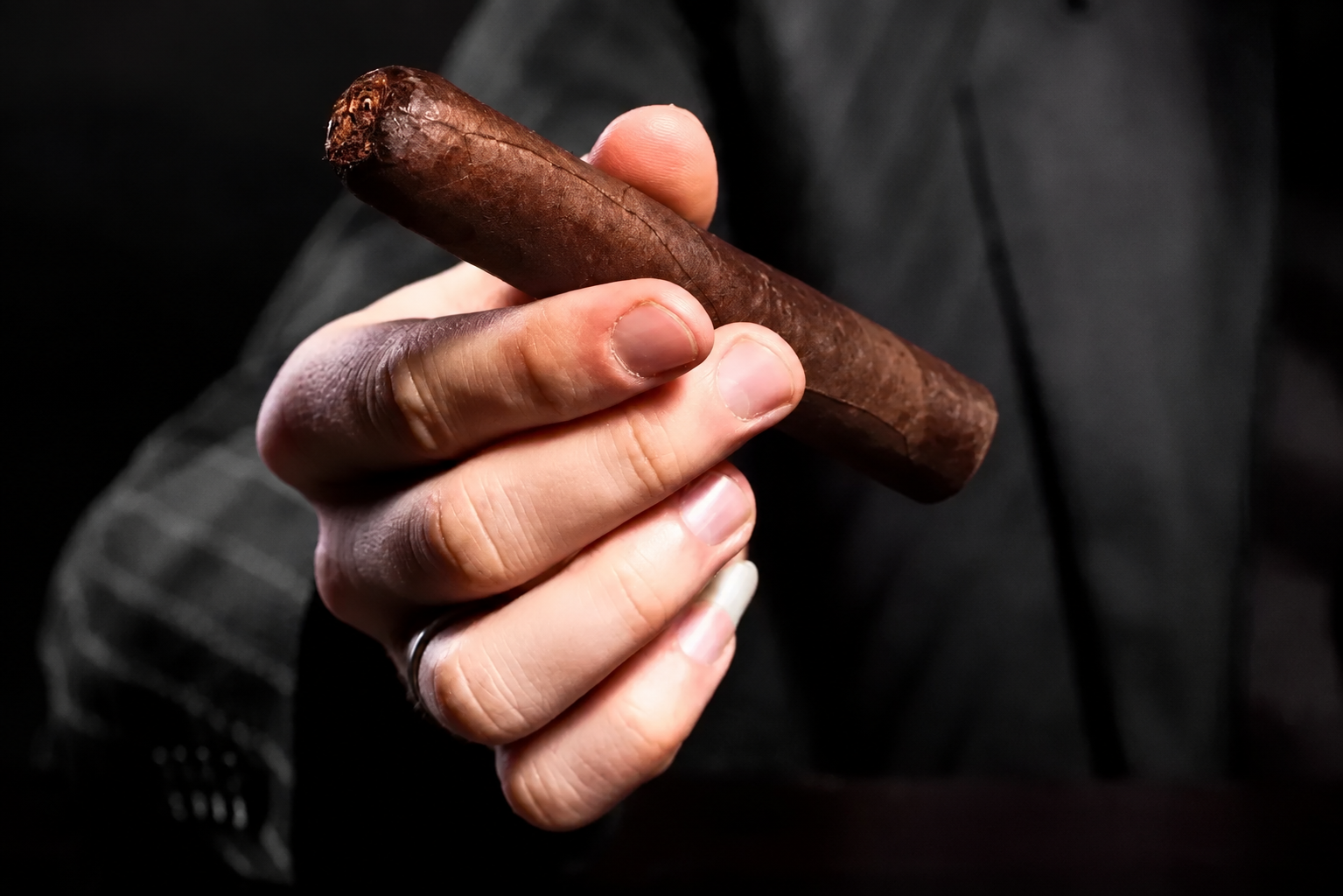
Aged Cigars: The Craft Transformation Time Gives to Tobacco — Why the Wait Is Worth It
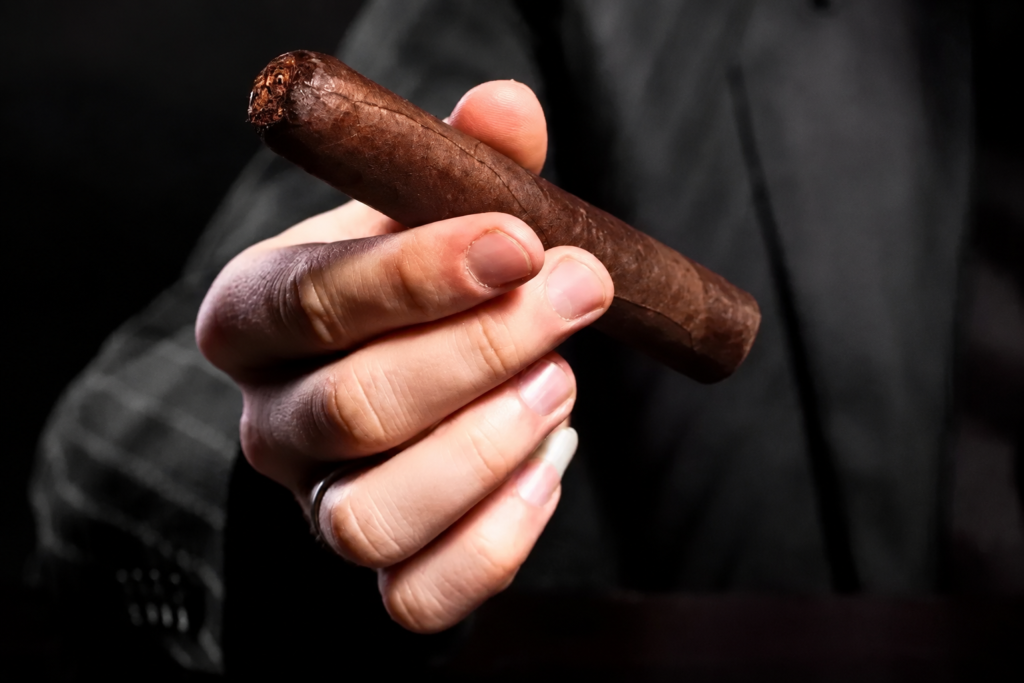
In the craft system of cigars, aging is the vital link that runs through everything that follows. A freshly rolled cigar resting for several years in a suitable environment is not simply “waiting” — it is a craft process in which the substances in the tobacco keep transforming and the flavors gradually harmonize. For enthusiasts who understand cigars, the meaning of aging lies not only in the changes to the tobacco itself: it also holds an understanding of traditional craft and a respect for time. Today, from a craft perspective, we’ll talk about the material changes and the core value behind aged cigars — and see how time lets a cigar’s character settle and deepen.
1. Aging: The Continuation of Craft After the Cigar Leaves the Factory
A factory-fresh cigar has completed its basic fermentation and rolling, but the leaf still contains irritant substances that have not fully dissipated, and the flavors of the different parts have not yet deeply fused — like a raw material that has passed preliminary processing and still needs further refinement. Aging is precisely the key step that takes the cigar beyond “rawness” and completes its second stage of craft optimization, moving the tobacco from “finished product” toward a more harmonious state.
1. Chemical Changes: The Natural Harmonization of Flavor Compounds
Aging a cigar is, in essence, a slow reaction of the chemical substances inside the leaf in a stable environment — the core of which is letting irritants recede and flavor compounds merge.
Volatilization of irritants. The volatile irritants left over from fermentation and rolling slowly dissipate over the years — just as with the “curing” stage of other crafted goods, the “off-notes” of the newly made product fade, and the tobacco’s own aroma emerges.
Transformation of internal substances. Tannins in the leaf gradually break down and interact with sugars to make the flavor noticeably gentler; meanwhile, organic acids and alcohols undergo slow esterification, creating softer aromatic compounds. This process shares its principles with the late-stage aging of other fermented crafts — it is the natural result of material transformation.
2. Physical Changes: The Even Optimization of the Tobacco’s Structure
Beyond chemistry, aging also brings the cigar’s physical state toward stability, laying the foundation for the smoking experience:
Even moisture distribution. In a new cigar, moisture tends to concentrate in the filler, which can cause uneven burning. In a constant-temperature, constant-humidity aging environment, moisture slowly permeates among wrapper, binder, and filler, bringing the whole cigar toward moisture equilibrium and ensuring burn stability.
Softening of leaf fibers. As time passes, the fibrous structure of the leaf becomes more supple, avoiding the harshness of stiff new leaf and letting the release of smoke become gentler — a physical change that comes from the tobacco resting naturally in a stable environment.

2. The Six Core Values of Aged Cigars: Multi-Layered Rewards from Craft to Experience
Aging is not mere “storage.” It is a process that progressively raises a cigar’s craft value and practical value, reflected in six aspects — all centered on the nature of the tobacco and the logic of the craft:
1. Flavor Layers: From Single to Rich Fusion
A new cigar’s flavor is mostly led by the basic aromas of the leaf itself — relatively direct. After aging, the hundreds of flavor compounds in the leaf slowly react, merge, and layer upon one another, giving a richer structure: the base aromas become the foundation, the transformed aromatic compounds gradually emerge, and the result is a coherent, clearly layered flavor progression — a craft-level elevation of tobacco flavor granted by time.
2. Balance of Taste: Reconciling Harshness and Mellowness
One of aging’s core roles is to reconcile the “oppositions” among a cigar’s flavors and substances: the once-prominent harshness gradually turns mild as the substances transform, while gentle flavors — sweetness, woody notes — step forward, the two setting each other off and bringing the overall taste into balance. This balance is not the result of artificial intervention but the craft expression of natural transformation, making the cigar better suited to genuine tasting.
3. Collectible Value: Scarcity and Uniqueness Granted by Time
A cigar’s collectible value comes from the double scarcity that aging creates. First, limited-edition cigars are produced in small numbers, and because aging demands strict environmental control, the number that survive intact shrinks over time. Second, each batch’s aging is shaped by its environment and raw material base, forming characteristics that are hard to replicate. For enthusiasts, an aged cigar can also become a vessel of memory for special moments, giving it personal, collectible meaning.
4. Cultural Heritage: An Integral Part of the Cigar Craft System
In Cuba, the Dominican Republic, and other major cigar-producing regions, aging has long been an essential component of the craft system — craft knowledge passed down through generations of master torcedores. From planting and fermentation to rolling and aging, every stage follows the principle of “slow work yields fine craft,” and aging is the continuation of that philosophy. To understand aged cigars is to know and carry on this traditional culture.
5. The Pleasure of Tasting: Observing and Experiencing the Craft in Motion
For the enthusiast, the joy of aging lies in taking part in the craft transformation of the tobacco: you can regularly observe the condition of the same batch, record subtle changes in flavor and mouthfeel, and feel the process of material transformation; you might also stumble upon a long-aged cigar and experience qualities utterly unlike a new one. This exploration and discovery is an essential part of cigar appreciation.
6. Maximizing Value: Respect for Craft and Resources
Producing a premium cigar — from planting the leaf to finishing the roll — consumes enormous labor, materials, and time; every leaf and every step of the process carries the devotion of the craftsman. Aging elevates the cigar’s flavor and quality and extends the period over which it can be enjoyed, letting every fruit of the craft reach its fullest value. This is a dual respect — for the craft of cigar making and for nature’s resources.
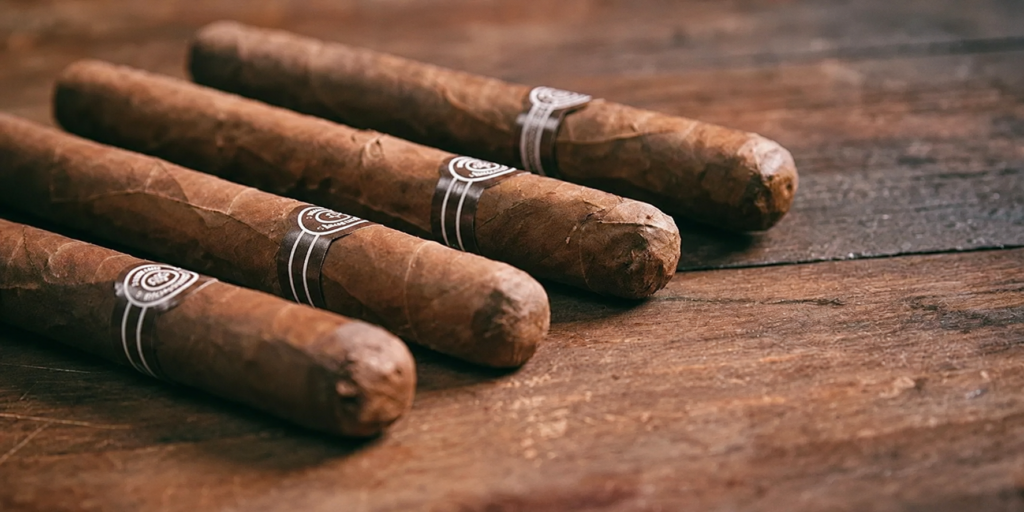
3. The Deeper Meaning of Aged Cigars: A Reflection on Life Beyond Craft
Extending beyond the craft itself, the philosophy that aged cigars convey also resonates with modern life — one important reason enthusiasts hold them in such esteem:
It interprets the patience of craft. In an efficiency-obsessed age, the aging of a cigar affirms the traditional principle that “slow is precise” — reminding us that fine results usually need the settling and polishing of time.
It lends ritual to experience. Pairing a time-settled cigar with a significant moment in life is not merely an upgrade of experience — it gives the occasion a more meaningful vessel, a sense of ritual rooted in cherishing both time and craft.
It conveys composure in life. Waiting for a cigar to age is itself a practice in patience and slowing down — quietly teaching us to face life with more calm, and to feel the beauty that time brings.
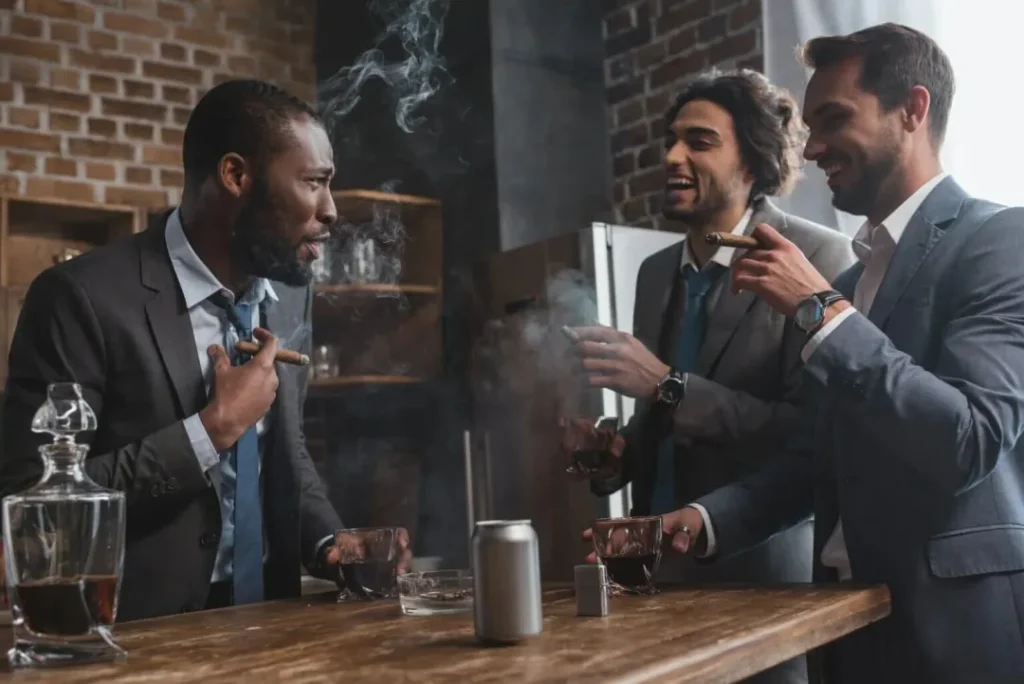
4. Getting Started with Aging: Begin with the Basics and Grasp the Essence of the Craft
If you are new to cigars and your understanding of aging is still shallow, start with the fundamentals and gradually feel its meaning — with understanding and rational experience as the core throughout:
Comparative observation. Prepare a new cigar of the same blend and one aged for 1–2 years; by comparing the two in flavor and mouthfeel, you will understand the craft changes aging brings — directly and vividly.
Small-scale trials. You don’t need to age a large collection at first. Choose a few basic cigars, rest them in a suitable environment, and build up experience with aging conditions and timing.
Master the basics before aging. First build a systematic understanding of fermentation, rolling, and the basic methods of tasting. Only once you have a grasp of a cigar’s core character can you clearly perceive the subtle changes that aging brings.
Conclusion
The aged cigar is the perfect union of time and tobacco craft. Through its slow transformation of substances, it expresses the traditional craftsman’s pursuit of quality — and reminds us that everything beautiful that stands the test of time requires patient waiting. This cigar, polished by the years, is not only the culmination of tobacco craft but also an interpretation of “slow living.” In today’s fast-paced world, may we all keep the patience to slow down — to wait for, and to savor, the beauty and surprises hidden within time.