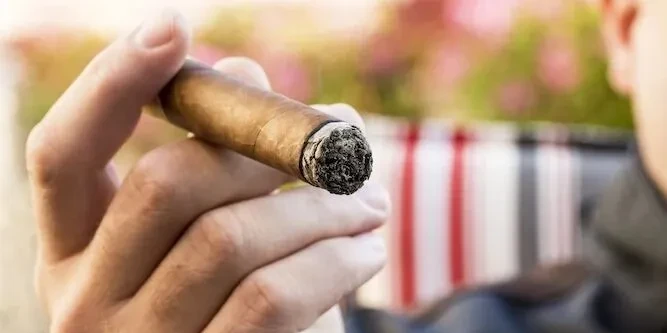

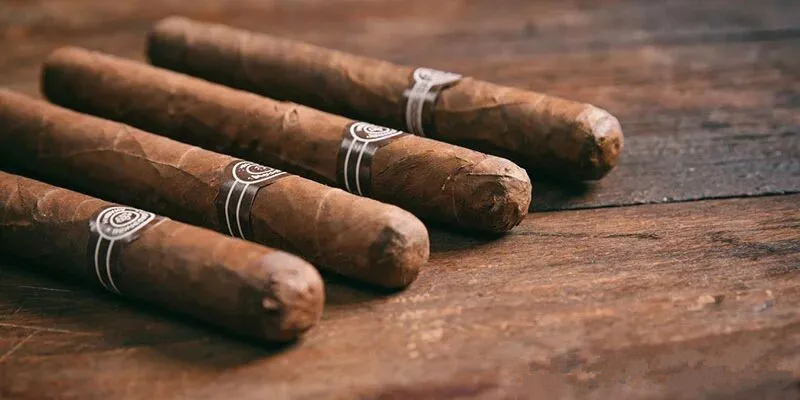
The Time Magic of Cuban Cigars: Five Years of Aging Turns Flavor into a Fine Vintage
When it comes to Cuban cigars, “craftsmanship” and “terroir” are the unavoidable labels — but what truly builds their legend is the “time magic” hidden behind them. A freshly rolled Cuban cigar is like unpolished jade: born with natural advantages, yet still carrying a touch of rawness. After five years or more of professional aging in an environment of constant temperature and humidity, it slowly transforms — the harshness fades, the flavors merge, and it finally becomes a “vintage of time” with both balance and depth.
The aging philosophy of “The Vault” illustrates exactly this point: time is never a neutral passage — it is the key force that shapes a cigar’s soul. Unlock the time code of Cuban cigars, and you will understand the miracle of transformation behind five years of aging.
The Threshold of Time: The Golden Point of Flavor Balance
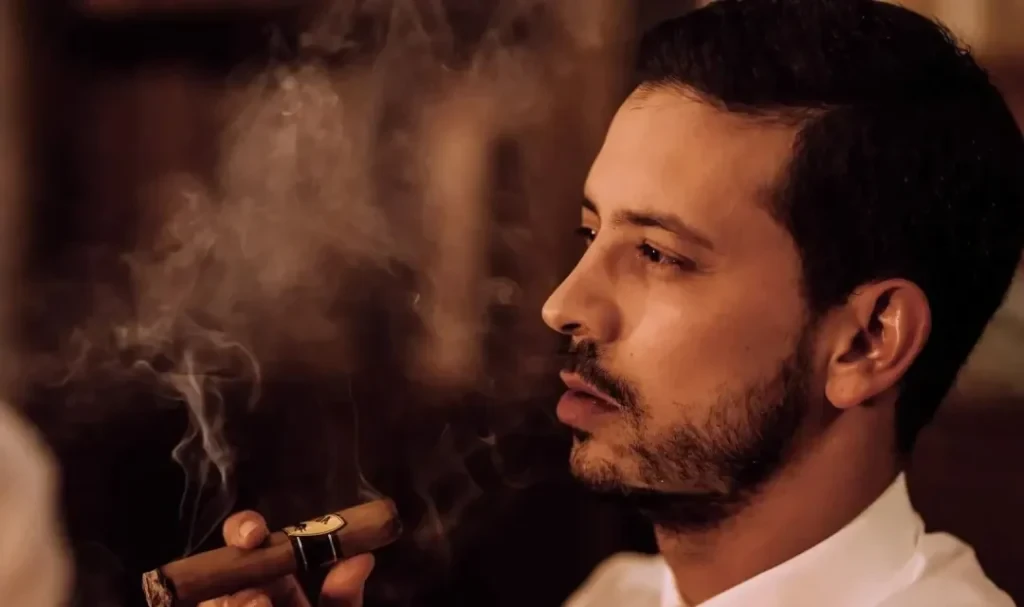
The “aging” of Cuban cigars is never casual storage; it is a disciplined practice with clear standards. The Vault concept defines the core threshold: a cigar must rest for no less than five years after rolling, kept in a strictly controlled storage environment throughout, before it earns the name “mature aged cigar.”
Five years was not an arbitrary line — it is the point where a cigar’s flavor and structure reach equilibrium. A freshly rolled cigar still carries rolling tension between the filler, binder, and wrapper; volatile compounds remain active; and smoking brings obvious harshness and gaps in flavor. After five years of aging, the rolling tension eases, the moisture and flavor compounds of the leaves reach dynamic balance, the unstable harsh elements dissipate, and the individual aromas permeate one another — like cellar-aged wine, growing ever more mellow and harmonious.
More importantly, five years filters out the truly premium cigars. Only top-grade leaves and superb craftsmanship can achieve flavor elevation through long aging; mediocre quality, however long it is stored, will only lose flavor. Five years is therefore both a threshold of time and the ultimate test of a cigar’s innate quality.
The Aging Environment: A Discipline of Constant Temperature and Humidity Inside “The Vault”

For the magic of time to take effect, it needs a professional storage environment worthy of “The Vault.” This transformation demands stable temperature and humidity from start to finish, insulated from outside interference — ideally 18–20°C and 65–75% relative humidity. Temperatures too high accelerate deterioration; too low, and the aging stalls. Humidity too high breeds mold; too low, and the cigar dries out and cracks.
Professional cigar vaults and high-end humidors are usually lined with Spanish cedar, which regulates humidity, absorbs odors, and releases natural aromas that nourish the cigar’s flavor. At the same time, light, vibration, and strong odors must be avoided — any external disturbance can break the rhythm of transformation. Time cannot repair a cigar’s innate flaws, but in a perfect environment it can bring a premium cigar’s potential to its absolute fullest.
The Miracle of Transformation: A Dual Sublimation of Structure and Flavor
Five years of aging is the process of instilling a “soul” into a cigar, with the transformation concentrated in two dimensions: structure and flavor.
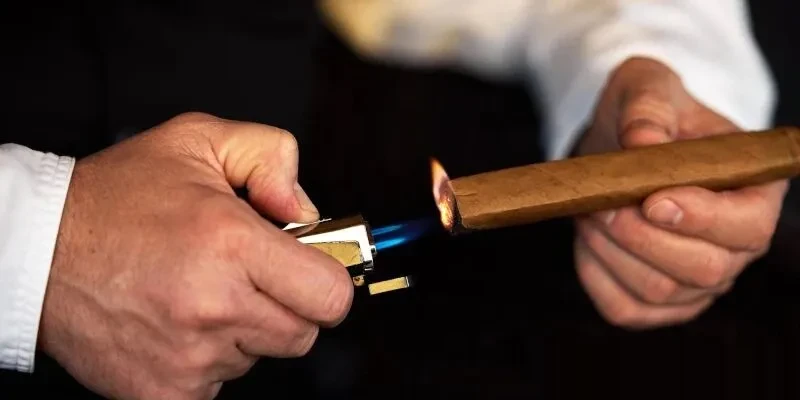
1. Structural Stability: From Raw to Smooth
A factory-fresh cigar has an unstable internal structure — the filler is firm with obvious tension, prone to uneven burning and high draw resistance. After five years of aging, the filler leaves become soft and elastic, the tension fully relaxes, and the wrapper hugs the filler tightly into a solid, uniform structure.
This directly upgrades the smoking experience: the burn becomes more stable, with an even fire line from start to finish; the draw resistance is moderate, with full, dense smoke; the mouthfeel turns from raw to smooth, without throat irritation even over a long session. A stable structure is the foundation for perceiving flavor — it lets you clearly capture the changes across a cigar’s front, middle, and final thirds.
2. Flavor Fusion: From Bold to Restrained
Flavor transformation is the heart of aging. A new cigar’s aroma is bold and showy, dominated by strong notes of pepper, herbs, and leather, with the aromas standing apart and disjointed. After five years of settling, the volatile harsh compounds soften, and woody, nutty, caramel, and mineral notes interweave into a richly layered aromatic profile.
The expression of the aroma turns from outward to inward — no longer a blunt impact, but a long, lingering finish. As you smoke, you can taste a sweet opening, a mellow middle, and a returning sweetness at the end, with no obvious gaps throughout: every puff is a balance of flavor and mouthfeel.

Format Differences: Different Sizes Tell Different Stories with Time
Conclusion: Time Is the Best Craftsman